Dog Bone Name Tag: A Practical Embroidery Designer’s Real-World Review
First Impression: Friendly, Focused, and Ready for Stitching
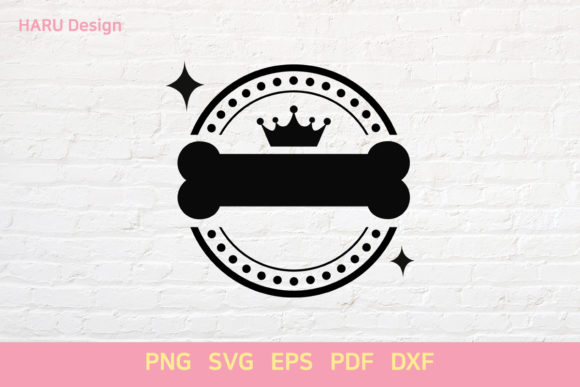
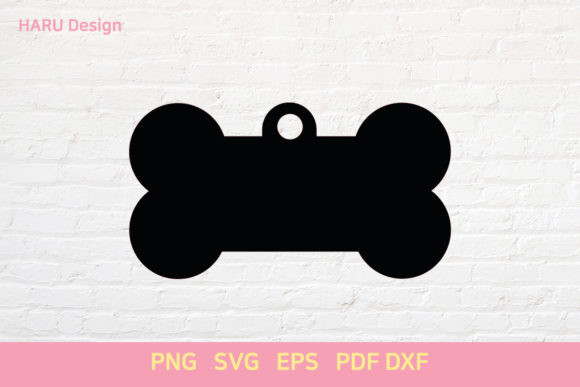
When I opened the Dog Bone Name Tag files—SVG, EPS, PNG, PDF, and DXF—I wasn’t looking for flair or flash. I was checking whether this design would hold up on a real embroidered tote bag for a local pet boutique client. And it did: clean lines, balanced negative space, and that unmistakable bone silhouette with room for a name in legible, uncluttered lettering. It doesn’t shout—it invites. That’s rare in craft graphics meant for personalization. The 12in×12in artboard gives breathing room without forcing overscaling, which matters when you’re prepping for a medium hoop or planning to resize down for baby onesies.
Where It Shines: Real Projects, Not Just Pixels
I tested Dog Bone Name Tag across three actual use cases: a cotton twill apron for a dog-walking startup, a soft fleece blanket for a new puppy owner, and a set of embroidered patches for an Etsy shop selling handmade pet accessories. In each case, the design translated well—not because it’s “perfect,” but because its simplicity works *with* embroidery, not against it.
- Custom apparel: On a midweight sweatshirt, the bone shape framed names cleanly using satin stitch borders and light fill stitch inside—no puckering, no thread buildup.
- Baby embroidery: Resized to 3.5 inches wide, it stayed crisp on gauzy cotton receiving blankets—no tiny details lost, no fragile corners unraveling after gentle washing.
- Embroidered patch: Cut and fused onto denim, the outline held sharp definition even with moderate fabric texture. No running stitch bleed or fuzzy edges.
It’s not flashy enough for streetwear logos, nor delicate enough for heirloom lace—but it hits the sweet spot for handmade product authenticity: warm, trustworthy, and quietly professional.
Where to Pause—and Why
This isn’t a one-size-fits-all embroidery file. Its strengths also define its limits:
- Small hoop sizes (under 4 inches): The name area shrinks fast. Below 2.75 inches wide, letter spacing tightens noticeably—test before stitching on caps or kids’ hats.
- Stretchy or thin fabric: Without proper cutaway stabilizer, the bone’s curved ends can distort on jersey or lightweight knits. I’d avoid it on t-shirts unless paired with firm backing and reduced stitch density.
- Dark fabric: The design relies on contrast—especially in the name area. On navy or charcoal, light thread colors lose impact unless you add underlay or adjust density manually.
- Curved surfaces: It sits flat on tote bags and pillow covers, but cap fronts need careful digitizing tweaks—this is a digital embroidery file, not a pre-digitized machine embroidery design. You’ll likely need to adjust pull compensation or underlay for rounded crowns.
What It Adds to Your Finished Product—Beyond Stitching
Customers don’t buy stitches—they buy meaning. The Dog Bone Name Tag delivers quiet confidence: it signals care, clarity, and consistency. When I used it on a holiday gift set (tea towel + oven mitt), buyers commented on how “thoughtful” and “cohesive” the branding felt—even though it was just one simple motif. That’s the power of restrained, purpose-built design assets.
For Etsy sellers and small shop products, it supports brand recognition without demanding logo redesigns. For craft business owners, it speeds up custom orders—no redrawing, no font-matching stress. And for creative entrepreneurs, it’s versatile enough to layer into larger compositions (e.g., as part of a nursery decor set) or stand alone on a single-pocket apron.
Designer Notes You’ll Actually Use
Before committing to your next batch of personalized gifts or commercial embroidery runs, here’s what I do—and recommend:
- Test on scrap fabric first, especially if using textured weaves or blends—the bone’s smooth curves behave differently on linen vs. brushed cotton.
- Check thread color contrast in natural light *and* on camera. What reads clearly in person may fade in product photos on dark backgrounds.
- Review stitch density in your embroidery software. This file doesn’t include density data, so verify fill areas aren’t overly dense for lightweight fabrics.
- Confirm hoop size compatibility. At full 12in×12in, it’s ideal for large-format projects—but most small shops will scale down. Make sure your machine handles the resized version smoothly.
- Inspect small details at 200% zoom: corners, serif tips (if your font includes them), and inner curves. Some letterforms tighten unpredictably when scaled.
- Test black-and-white mockups—not just color. Many buyers browse Etsy or craft fairs in grayscale thumbnails.
- Compare light and dark fabric backgrounds side-by-side. The bone shape gains or loses presence depending on contrast, affecting perceived value.
- Use proper stabilizer: medium cutaway for knits, tear-away for stable wovens. Skip the “stabilizer-light” approach—it’s not worth the rework.
- Confirm licensing before selling finished items or bundling the Dog Bone Name Tag into digital product kits. Since license terms aren’t included in the file list, check directly with the seller.
Final Thought: A Quiet Workhorse for Real Crafters
The Dog Bone Name Tag won’t win design awards—but it earns repeat orders, builds customer trust, and holds up through wash cycles, photo shoots, and craft fair handling. It fits naturally in the Crafts category because it serves making, not just showing. Whether you’re embroidering a single baby onesie or launching a line of pet-themed kitchen towels, this Graphics asset feels like a tool you reach for—not one you overthink. And in the daily rhythm of embroidery work, that kind of reliability is everything.