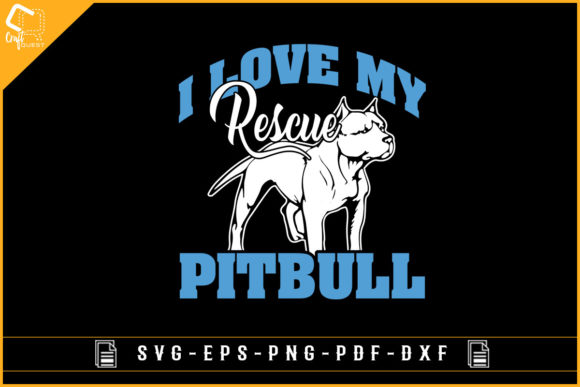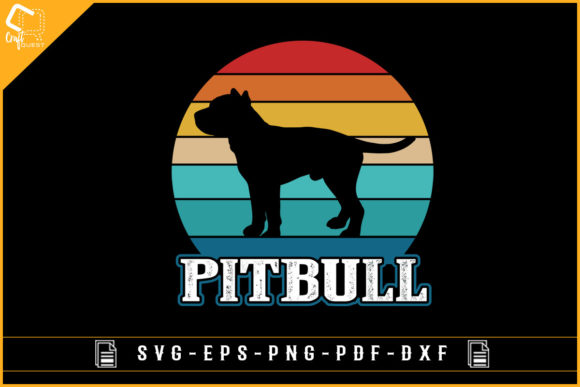
Vintage Pitbull Dog Sublimation
A Designer’s First Look: Bold, Nostalgic, and Unapologetically Craft-Forward
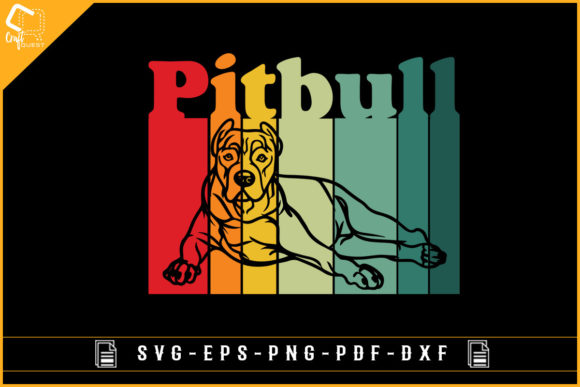
When I opened the Vintage Pitbull Dog Sublimation files for the first time—SVG, EPS, DXF, PNG, PDF—I wasn’t scanning for file count or resolution. I was asking: *Does this feel like something I’d confidently stitch onto a hand-finished tote bag for a client who rescues pit bulls?* The answer is yes—but with nuance. This isn’t a hyper-realistic portrait or a minimalist line art sketch. It’s a stylized, mid-century-inspired silhouette with strong outlines, confident negative space, and subtle texture cues that suggest aged print or screen-printed charm. It reads as “vintage” not through distressed filters, but through intentional weight distribution and rhythmic contouring—exactly what makes it work so well as a machine embroidery design.
Real Project Test: Embroidering It on a Linen-Cotton Tote Bag
Last week, I prepped a custom order: a sturdy 14-oz linen-cotton blend tote for a local rescue volunteer. She wanted something proud but warm—not aggressive, not cutesy. I digitized the Vintage Pitbull Dog Sublimation into a 4.2" wide embroidery file using standard satin and fill stitches, keeping the outline crisp and the interior clean. On the tote, it landed beautifully: the bold shape held up across the fabric’s natural slub, and the open areas prevented bulk. Customers paused at the booth to ask, “Is that a real pit bull?”—a sign the design communicates breed identity clearly without caricature. That kind of instant recognition matters for handmade product storytelling.
Where It Shines (and Where It Needs Care)
The Vintage Pitbull Dog Sublimation thrives in contexts where clarity, character, and craft intention align:
- Custom apparel: Works cleanly on sweatshirts and structured tees—especially when paired with tonal thread (charcoal gray on heather navy, cream on oatmeal).
- Embroidered patch: Its defined edges make it ideal for iron-on or sew-on patches on denim jackets or backpacks.
- Baby embroidery: Simplified enough for onesies or burp cloths—just avoid dense fill areas near seams where stitching might stiffen delicate fabric.
- Holiday embroidery & personalized gifts: Paired with a simple “Rescue Love” banner or vintage-style font, it adds heart without clutter to holiday tea towels or nursery pillows.
- Craft business & Etsy seller use: As a digital embroidery file, it’s versatile for bundling (e.g., “Pit Bull Lover Collection”) or pairing with printable mockups for listings.
But here’s where practical judgment kicks in: avoid using the Vintage Pitbull Dog Sublimation on highly textured fabrics like bouclé or thick terry cloth without testing stabilizer layers first. On stretchy knits (think baby leggings or fitted caps), the bold lines can distort if hooping tension isn’t precise. And while it’s designed for sublimation-ready output, remember—this is a graphics asset, not an out-of-the-box embroidery file. You’ll need to digitize it properly for your machine, especially if planning commercial embroidery or layered applique designs.
Design Integrity Meets Customer Trust
As an embroidery designer who’s seen too many “cute dog” designs fall flat after washing, I pay attention to how a motif holds up over time. The Vintage Pitbull Dog Sublimation avoids tiny details that vanish after three cycles—no micro-ears, no fragile whiskers, no thin connecting stems. That means fewer customer complaints about “faded stitching” and more repeat buyers who recognize your shop’s consistent quality. For Etsy sellers and small shop owners, that reliability builds brand consistency faster than any marketing tactic. It also translates well across mediums: the same vector file works for vinyl cutting on mugs, sublimation on pillow covers, or embroidery on aprons—making it a smart, multi-use addition to your design assets library.
Practical Embroidery Designer Notes (No Fluff, Just What Works)
Before you stitch the Vintage Pitbull Dog Sublimation into your next finished product, run these checks:
- Test on scrap fabric first—especially if using dark thread on light fabric or vice versa. Satin stitch contrast makes or breaks visual impact.
- Review stitch density. If digitizing yourself, keep fill areas moderate—over-stitching leads to puckering on lightweight cottons or tea towels.
- Confirm hoop size compatibility. The original graphic scales well, but stay within 3.5–5" width for most apparel applications unless you’re aiming for statement pieces like blankets or wall hangings.
- Inspect small details in black-and-white mockups. Does the snout read as distinct? Does the ear shape hold character at 2.5"? If not, simplify before digitizing.
- Use proper stabilizer: medium-weight cutaway for knits, tear-away for stable wovens like canvas or linen. Skip fusible web unless you’re doing applique—this design doesn’t need it.
- Check licensing. Since the product description states it’s for “Pitbull dog lovers” and “printable cutting files,” confirm whether commercial embroidery rights are included before selling finished embroidered items or reselling digitized versions.
Final Thought: A Design That Earns Its Place
The Vintage Pitbull Dog Sublimation isn’t flashy. It doesn’t try to be everything. But as a Crafts and Graphics asset built for real-world making, it earns its place in my go-to folder—not because it’s trendy, but because it’s honest, adaptable, and respectful of both the craft and the community it represents. Whether you’re stitching it onto a boutique apron, digitizing it for a rescue fundraiser sweatshirt, or bundling it as part of a seasonal embroidery project kit, it carries weight without heaviness. And in handmade product development, that balance is everything.