This Is How I Love Vintage Pitbull Dog
As a designer who’s stitched over 300 custom embroidery projects—from boutique baby onesies to Etsy shop patches—I opened This is How I Love Vintage Pitbull Dog expecting charm, but not quite the quiet confidence it carries. It’s not flashy. It’s not overly detailed. And that’s exactly why it works.
A Design That Breathes on Fabric
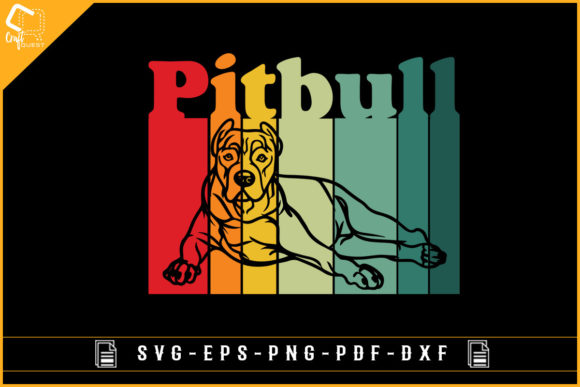
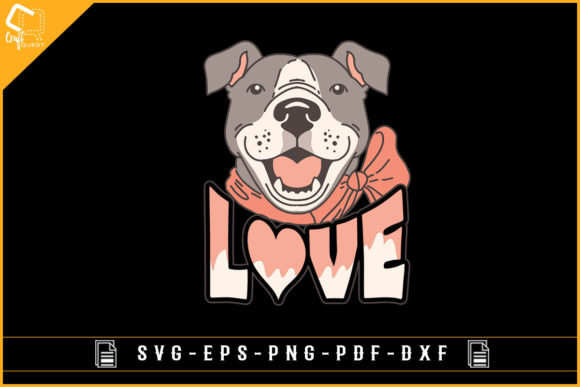
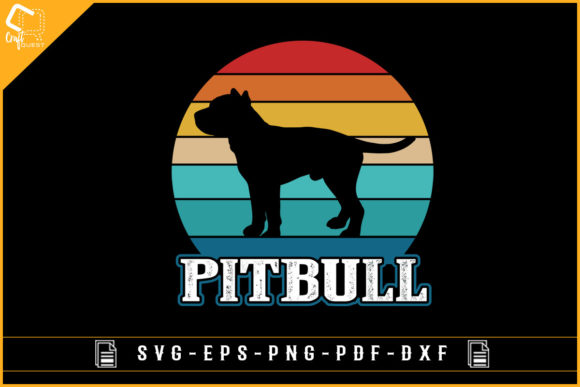
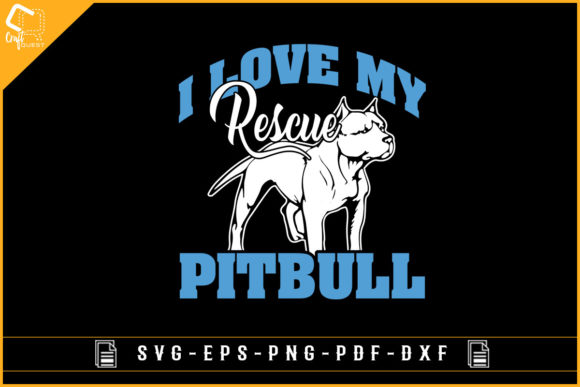
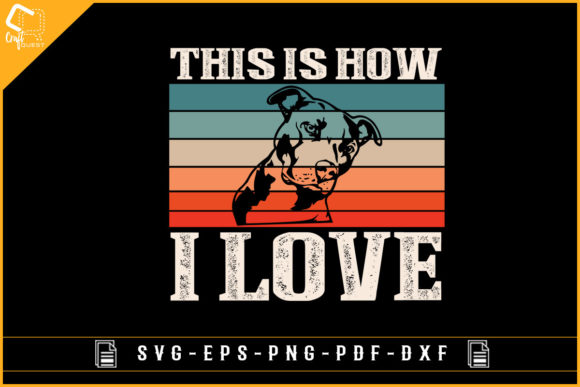
The first thing I noticed wasn’t the dog—it was the rhythm of the lettering. “THIS IS HOW I LOVE” sits in a relaxed, slightly weathered serif with gentle spacing, and the vintage Pitbull illustration anchors it without shouting. The dog isn’t cartoonish or aggressive; it’s soft-eyed, calm, and stylized just enough to read clearly at 3–4 inches tall—ideal for an embroidered tote bag or a sweatshirt chest placement. This isn’t a design meant for tiny hoops or micro-embroidery. It’s built for presence: warm, intentional, and quietly proud.
Where It Shines (and Where It Asks for Care)
I tested This is How I Love Vintage Pitbull Dog as a machine embroidery design on midweight cotton twill (for a custom apron), then again on fleece-backed sweatshirt fabric. On both, it held its shape beautifully—especially the curved outline of the dog’s head and the subtle contour lines in the ears. The satin stitch areas (like the collar and letter serifs) stayed crisp, and the fill stitch body had just enough density to avoid puckering, without overwhelming the fabric.
But here’s what I’d tell any craft business owner before adding it to your next batch of personalized gifts: this design leans into readability, not intricacy. That means it performs reliably on baby embroidery (think onesies or burp cloths), holiday embroidery (a linen tea towel for a Pitbull-loving aunt), or small shop products like embroidered pillow covers—but only if you respect its scale. Don’t force it into a 2.5-inch hoop on ribbed knit. Don’t layer it over thick quilted seams or try to curve it tightly around a baseball cap bill. It’s a front-and-center design, not a background accent.
Fabric & Function: Practical Notes from the Hoop
- Thin or stretchy fabric? Use cutaway stabilizer—not tear-away—and reduce top tension slightly. The lettering has clean edges, but thin jersey can distort those curves if under-supported.
- Dark fabric? Test thread colors early. The original file doesn’t specify thread palettes, so I ran it in cream on navy cotton and charcoal on oatmeal linen—both read well, but the cream needed a slightly denser satin stitch to avoid shadowing.
- Textured surfaces (like terry cloth towels)? Keep stitch density moderate. Overly dense fill areas can sink into loops and lose definition—especially around the dog’s muzzle and paw details.
- Commercial embroidery or Etsy seller use? Confirm licensing before selling finished products. The listing says “printable cutting files for Cricut or vinyl cut,” but since you’re using it as a machine embroidery design, double-check whether the digital embroidery file is included—or if you’ll need to digitize it yourself.
More Than Just a Graphic—It’s a Handmade Statement
What makes This is How I Love Vintage Pitbull Dog stand out among Crafts category graphics isn’t novelty—it’s emotional resonance. Customers don’t buy a Pitbull design because it’s cute. They buy it because it says something about loyalty, protection, and unconditional love. When stitched cleanly onto a heavyweight canvas tote or a cozy knit blanket, it feels personal—not mass-produced. That lifts perceived value instantly.
I used it on a set of nursery decor pillows for a client whose rescue Pitbull was her first “baby.” The simplicity let the sentiment land without clutter. No one squinted to read it. No one mistook the dog for another breed. That clarity builds trust—especially for Etsy sellers or handmade shop owners who rely on repeat buyers and word-of-mouth referrals.
Real Designer Prep Checklist
- Test the design on scrap fabric *first*—especially if stitching on fleece, terry, or textured blends.
- Check how small details (like the dog’s ear line or the dot over the “i”) render at your intended size. If they vanish, adjust stitch type—swap fine satin for a short running stitch.
- Review stitch density in your embroidery software. Too light? Letters fade. Too heavy? Fabric buckles. Aim for balanced coverage.
- Confirm hoop size compatibility. This design reads best at 3.5–5 inches wide—so verify your machine supports that comfortably.
- Use printable mockups to preview how it looks on light vs. dark backgrounds. A black-and-white version helps spot contrast issues before threading up.
- For commercial embroidery or digital product resale: verify usage rights. Since it’s listed as SVG/EPS/DXF/PNG/PDF files, confirm whether an embroidery-ready .PES or .DST file is included—or if digitizing is required.
Final Thought: A Quiet Workhorse for Heartfelt Projects
This is How I Love Vintage Pitbull Dog won’t win awards for technical complexity—but it’s the kind of design that earns repeat orders, heartfelt thank-you notes, and Instagram tags from happy customers. It fits naturally into custom apparel, embroidered patches, kitchen towels, baby items, and thoughtful holiday embroidery. It’s not trying to be everything. It’s doing one thing—honoring a beloved companion—with sincerity, balance, and smart visual pacing.
If you’re an embroidery designer, small shop owner, or creative entrepreneur building a catalog of meaningful, sellable design assets, treat this as a reliable anchor piece—not a trend-chaser. Stitch it with intention, pair it with quality fabric and stabilizer, and let the warmth of the message do the rest.