Rescue Pitbull Dog Lover Sublimation
A Designer’s First Look: Warm, Bold, and Purpose-Driven
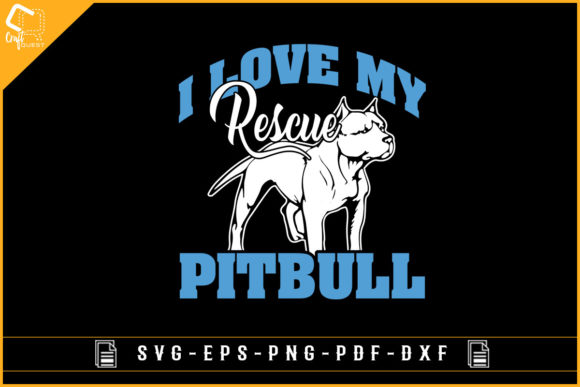
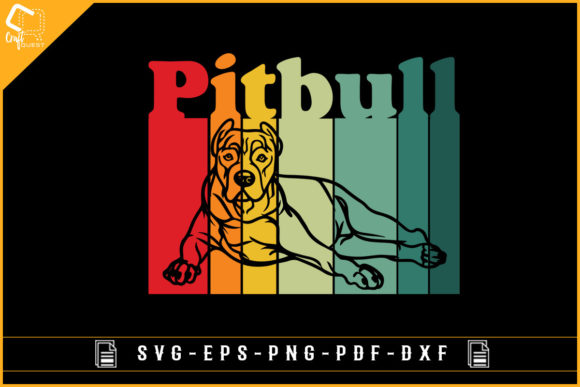
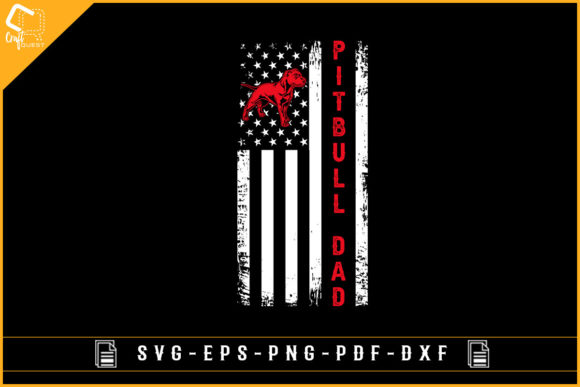
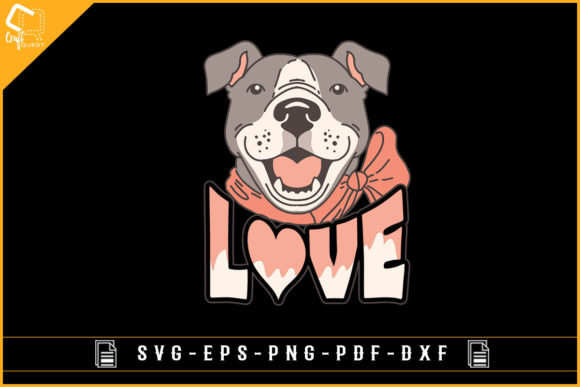
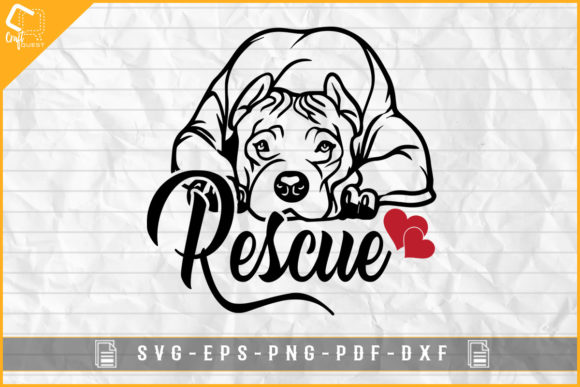
When I opened Rescue Pitbull Dog Lover Sublimation for the first time, I didn’t see just another dog graphic—I saw intent. The composition balances heart and strength: a stylized pitbull head centered above the word “RESCUE” in clean, confident lettering. It’s not overly detailed or fussy—no tiny whiskers or layered fur textures—but it carries unmistakable warmth and quiet dignity. That matters. In embroidery, especially for cause-driven products like rescue-themed apparel or gifts, tone is as critical as technique. This design leans into sincerity over cuteness, which makes it ideal for tote bags, unisex sweatshirts, or nursery decor where authenticity resonates more than whimsy.
Where It Shines: Real Projects, Real Customers
Last week, I prepped a small batch of embroidered cotton canvas tote bags for a local rescue group’s fundraiser. I chose Rescue Pitbull Dog Lover Sublimation for the front panel—not because it was the flashiest option, but because it held up beautifully at 4.5 inches wide. On medium-weight fabric with tear-away stabilizer, the lettering stayed crisp, and the dog silhouette stitched out smoothly using a mix of satin stitch for the outline and balanced fill stitch for the solid areas. Customers responded immediately: “That’s *my* dog,” one said, pointing to the gentle curve of the muzzle. Another bought three—two for herself, one as a holiday gift for her sister who fosters pitbulls. That kind of emotional connection doesn’t happen with generic clip art. It happens when a design feels considered, respectful, and stitched with care.
It also works well on baby onesies (with reduced size and lightweight stabilizer), tea towels (where the bold shape reads clearly from across the kitchen), and embroidered patches for volunteers’ aprons. As an Etsy seller, I’ve used it in digital embroidery file listings alongside mockups showing it on light and dark fabrics—customers consistently note how “versatile” and “shop-ready” it feels. That’s no accident. Its moderate detail level avoids the pitfalls of over-engineered files: no fragile stems in the lettering, no micro-details that vanish under thread, and generous spacing between elements so even beginner stitchers won’t wrestle with nesting or jump stitches.
Where to Proceed Thoughtfully
That said, Rescue Pitbull Dog Lover Sublimation isn’t universally plug-and-play. On highly textured fabrics—like terry cloth towels or bouclé knit sweatshirts—I recommend testing stitch density first. Dense fills can flatten texture or create unwanted stiffness. Similarly, on thin or stretchy knits (think lightweight tees or baby ribbed fabric), skip heavy backing and opt for cut-away + topping to keep lettering legible without puckering.
Curved surfaces—like structured caps or beanies—require extra attention. The design’s horizontal layout means it’ll need repositioning and possibly slight scaling to avoid distortion across the crown. And while the “RESCUE” text is bold, it’s not oversized; on hoops smaller than 4x4 inches, I’d simplify or omit the wordmark entirely and use just the dog icon as a standalone motif. Also worth noting: the file set includes SVG, EPS, DXF, PNG, and PDF—but none are labeled as native embroidery formats (PES, DST, JEF, etc.). If you’re sourcing this for machine embroidery, confirm whether conversion is needed—and always test the converted file on scrap fabric before committing to a client project.
What It Adds to Your Finished Product
Embroidery isn’t just about thread and fabric—it’s about perception. A well-chosen design like Rescue Pitbull Dog Lover Sublimation elevates a handmade product from “nice” to “meaningful.” It signals alignment with values—compassion, advocacy, loyalty—without needing a slogan. That builds trust. For small shop owners, that translates to repeat buyers and word-of-mouth referrals. For craft fair vendors, it sparks conversation before the first price tag is even mentioned.
Visually, it supports brand consistency: its balanced proportions and clear hierarchy work equally well on a minimalist linen pillow cover or a vibrant holiday sweater. And because it avoids seasonal clichés (no hearts, paw prints, or bows unless implied by context), it stays relevant year-round—ideal for evergreen listings on Etsy or inventory planning for a boutique.
Practical Notes Every Embroiderer Should Check
- Test first: Run a sample on your exact fabric + stabilizer combo—even if it’s the same material you’ve used before. Thread tension shifts subtly with humidity, needle wear, and even spool weight.
- Review contrast: Try stitching the design in black thread on cream fabric *and* white thread on navy. Does the message stay clear? Adjust fill density if needed.
- Inspect corners and curves: Zoom in on the dog’s ear tip and the tail’s end in your embroidery software. Are there jagged vectors or stray anchor points that could cause stitch hesitation?
- Confirm commercial use rights: The listing says “craft design” and lists file types for cutting machines—but verify licensing terms before selling finished embroidered items or bundling the file as part of a digital product.
- Use proper stabilizer: Medium-weight cut-away for stable wovens; lightweight tear-away + topping for knits. Skip basic iron-on if stitching over seams or curved edges.
Final Thought: Design With Intention, Stitch With Confidence
Rescue Pitbull Dog Lover Sublimation isn’t flashy—but it’s dependable. It’s the kind of design that disappears into the background of great craftsmanship, letting the story—the love, the rescue, the quiet pride—take center stage. Whether you’re embroidering a single personalized gift or scaling production for a craft business, it earns its place not through novelty, but through clarity, purpose, and quiet strength. Just remember: even the best design needs thoughtful execution. So hoop carefully, test honestly, and stitch like someone’s already holding that finished tote bag, sweatshirt, or baby blanket—and smiling.