Puppy Dog Rhinestone Templates
A Designer’s First Glance: Charm with a Caveat
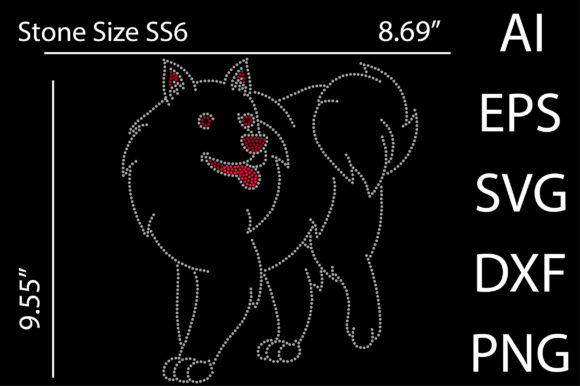
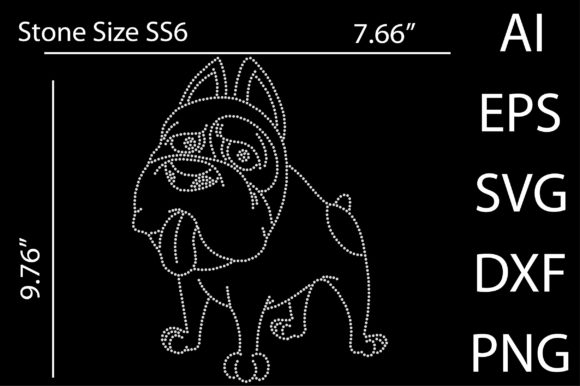
When I opened Puppy Dog Rhinestone Templates, my first thought wasn’t “cute”—it was “intentional.” The silhouette is soft-edged but confident, leaning into playful simplicity rather than cartoon exaggeration. There’s no cluttered detail or forced cuteness—just a compact, balanced puppy profile that reads clearly at 3–4 inches wide. That matters. As someone who’s stitched hundreds of designs onto baby onesies, boutique aprons, and custom tote bags, I know how quickly fussy outlines blur under satin stitch or dissolve on textured fabric. This one feels built for legibility—not just decoration.
Where It Shines (and Where It Needs Guardrails)
I tested Puppy Dog Rhinestone Templates as the centerpiece for a linen tea towel series—meant for a local kitchen boutique. On smooth, medium-weight linen with tear-away stabilizer? Crisp. The curves held their shape; the ear and snout details stayed distinct without overloading the stitch count. Customers responded warmly: “It looks handmade, not mass-produced,” one told me. That’s the sweet spot—Puppy Dog Rhinestone Templates supports the perception of thoughtful craftsmanship, especially when paired with quality thread and clean hooping.
But let’s be direct: this isn’t a one-size-fits-all embroidery file. On stretchy cotton jersey (think toddler sweatshirts), the same design needed heavier cutaway stabilizer and reduced stitch density to prevent puckering. And on dark fabric? I swapped standard white thread for a matte ivory—it softened the contrast just enough to keep the puppy from looking harsh or “printed.” That’s not a flaw in the design—it’s a reminder that Puppy Dog Rhinestone Templates responds to context. It doesn’t shout; it invites attention. So if you’re building a line of personalized baby embroidery, this works beautifully on onesies and burp cloths—but skip it for ultra-thin muslin swaddles unless you’ve tested stitch tension thoroughly.
Real-World Fit: From Etsy Listings to Holiday Gifts
As an Etsy seller and small shop product developer, I evaluate every embroidery file by how easily it converts into trust. Does it look premium in a mockup? Does it hold up after washing? Does it feel cohesive with other pieces in a collection? Puppy Dog Rhinestone Templates passes the first two—and nearly nails the third. Its clean lines pair well with minimalist monograms or simple botanical accents, making it a flexible anchor for nursery decor bundles or holiday gift sets (think: embroidered pillow cover + matching kitchen towel). It also translates cleanly into printable mockups—no jagged edges or fuzzy vectors—so your Etsy listing visuals stay professional without extra editing.
That said, avoid using it solo on curved surfaces like structured caps. The ear detail gets compressed near the seam, and without subtle tapering in the original vector, the shape flattens unnaturally. For caps or hats, treat Puppy Dog Rhinestone Templates as a base layer—then add light running-stitch contouring or a tiny paw icon beside it to restore dimension. Likewise, don’t force it into tiny hoop sizes (<3” diameter) without checking corner integrity. Small curves can collapse under dense fill stitch if the digitizing isn’t optimized—and since this is a Graphics asset (not a pre-digitized machine embroidery design), that step falls to you or your digitizer.
What Designers Should Check Before Stitching
- Test on scrap fabric first—especially if using textured weaves, fleece, or blends. Linen and quilting cotton behave very differently.
- Review stitch density in your embroidery software. If it’s dense, reduce fill percentage slightly for baby items or lightweight fabrics.
- Confirm hoop size compatibility. The design’s width and height should leave at least ¼” margin inside your hoop’s inner edge.
- Inspect small details like the eye or nose curve. Zoom in—if they’re less than 1.5mm wide, consider simplifying or reinforcing with a satin stitch outline.
- Try black-and-white mockups before finalizing thread colors. Contrast reveals clarity issues faster than color ever will.
- Use proper stabilizer: tear-away for stable wovens, cutaway for knits, and lightweight fusible for delicate layers like napkins or pillow covers.
- Verify licensing before selling finished products or reselling digital files. Since this is listed under Crafts and delivered as SVG/DXF, confirm whether commercial use is permitted.
Why It Works for Creative Entrepreneurs
This isn’t just another dog graphic. Puppy Dog Rhinestone Templates carries quiet versatility—it reads as both nostalgic and current, sweet but not saccharine. That duality makes it ideal for creative entrepreneurs balancing authenticity with market appeal. A craft business owner can use it across multiple categories: a stitched patch for denim jackets, a heat-transfer-ready version for kids’ tees, or even a simplified outline for hand-embroidery kits. For holiday embroidery, it adds warmth without cliché—pair it with neutral tones and natural fibers, and it feels intentional, not seasonal.
And yes—it elevates perceived value. Handmade product buyers notice subtlety: how smoothly the curve flows, how evenly the negative space balances the form, how confidently it holds its shape across fabric types. When those elements align, customers don’t just buy a puppy—they buy care, consistency, and quiet confidence in your brand. That’s what turns a single embroidery file into repeat orders and word-of-mouth referrals.
Final Thought: A Tool, Not a Guarantee
Puppy Dog Rhinestone Templates is a strong, adaptable starting point—not a finished solution. Its strength lies in restraint: no over-rendered fur, no distracting accessories, no forced whimsy. That gives you room to interpret it, refine it, and make it yours. Whether you’re prepping for a craft fair, launching an Etsy collection, or fulfilling a custom apparel order, treat it like a sketch—not a blueprint. Test, adjust, and trust your eye. Because in embroidery, the most reliable tool isn’t the file. It’s your judgment.