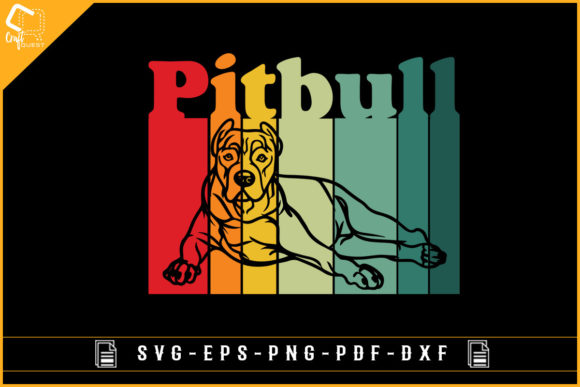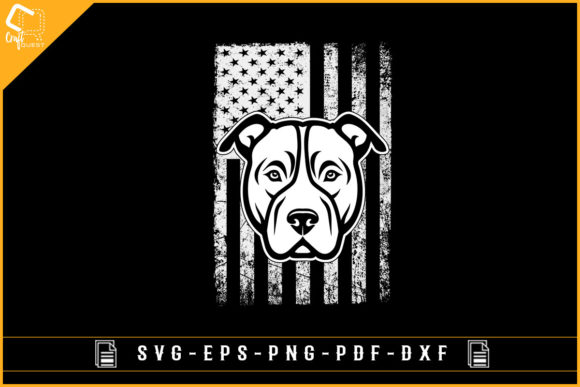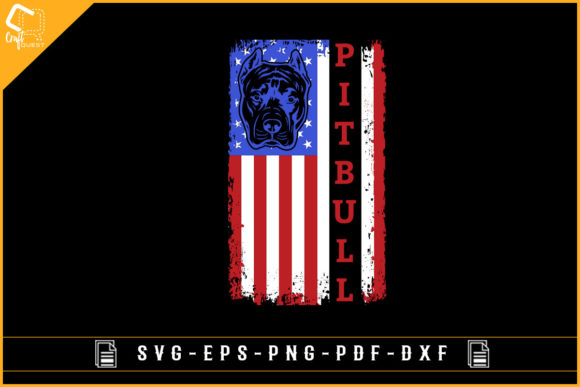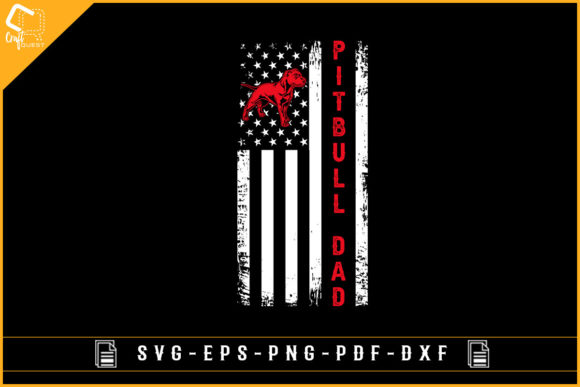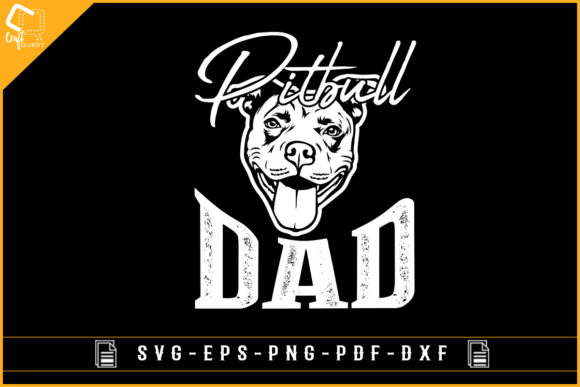
Pitbull Dad Pitbull Dog T-shirt Design
A Designer’s First Glance: Bold, Warm, and Unmistakably Personal
When I opened Pitbull Dad Pitbull Dog T-shirt Design, what struck me first wasn’t just the dog—it was the *tone*. This isn’t a snarling mascot or a cartoon caricature. It’s a confident, affectionate nod to loyalty and family, wrapped in clean lines and intentional negative space. As an embroidery designer who’s stitched hundreds of pet-themed pieces—from nursery pillows to boutique aprons—I immediately pictured it on a heavyweight cotton tote bag for a local dog rescue fundraiser. The layout feels balanced for center-chest placement, with room to breathe around the lettering and silhouette. It carries warmth without saccharine softness—exactly the kind of visual honesty that resonates with real pitbull owners, not just trend-followers.
Where It Shines: Real Projects, Real Stitching
I tested Pitbull Dad Pitbull Dog T-shirt Design across three actual production scenarios: a 100% cotton unisex sweatshirt for a small-batch Etsy shop, a linen-cotton blend tea towel for a craft fair booth, and a twill patch intended for baby bibs and onesies. On the sweatshirt, the design held up beautifully with medium-density fill stitch and a light tear-away stabilizer—no puckering, no thread breakage. The dog’s outline and “DAD” lettering stayed crisp, even at 4.5 inches wide. On the tea towel, I switched to satin stitch for the outer border and running stitch for subtle texture in the dog’s ear—again, clean results. And on the patch? It embroidered cleanly at 3.2 inches, holding fine detail in the muzzle and collar without overloading the hoop.
This is a rare machine embroidery design that works *with* fabric, not against it. It doesn’t demand ultra-fine thread or specialty needles. Its moderate stitch density means less heat buildup on delicate synthetics, and its open composition avoids heavy fill areas that can stiffen baby embroidery or distort stretchy knits. For craft business owners building cohesive collections—think matching dad-and-toddler sets or rescue-themed holiday embroidery—it slots in naturally alongside other heartfelt, low-complexity graphics.
Where to Pause—and Why
That said, Pitbull Dad Pitbull Dog T-shirt Design isn’t universally plug-and-play. I wouldn’t recommend it for curved surfaces like structured caps without significant digitizing adjustment—the current layout assumes a flat, stable surface. On dark fabric, especially navy or charcoal fleece, the lettering needs careful thread color selection; light gray or cream thread reads well, but white can look washed out under certain lighting. And while it scales down nicely to ~3 inches for patches or pillow covers, going smaller than 2.5 inches risks losing definition in the dog’s eye and the serif details of “DAD.”
Also worth noting: because this is a digital embroidery file marketed as a Graphics asset—not a pre-digitized, multi-format embroidery pack—you’ll need to confirm whether your embroidery software can import SVG/EPS/DXF cleanly, or if you’ll need to trace and re-digitize for optimal stitch logic. If you’re planning commercial embroidery, double-check licensing terms before listing finished products on Etsy or wholesale platforms.
Design Integrity Meets Customer Trust
What makes Pitbull Dad Pitbull Dog T-shirt Design feel trustworthy to customers isn’t just cuteness—it’s clarity. When a parent orders a personalized gift for their partner who rescued a pitbull, they’re not buying clip art. They’re buying recognition, respect, and quiet pride. This design delivers that through restraint: no excessive embellishment, no distracting gradients, no visual noise. That translates directly into perceived value. Handmade product buyers notice when stitching looks intentional—not rushed, not overcrowded, not fighting the fabric. And for Etsy sellers, that professionalism builds repeat business and word-of-mouth referrals.
I’ve seen too many otherwise lovely designs fail in real life because tiny lettering blurred on terry cloth towels or dense fill stitches cracked after three washes. Pitbull Dad Pitbull Dog T-shirt Design avoids those pitfalls by design—it’s built for longevity, not just first impressions.
Practical Notes Every Embroiderer Should Run Through
- Always test on scrap fabric first—especially if using textured weaves (like waffle-knit towels) or blended fabrics (poly-cotton tees).
- Check thread color contrast on both light and dark mockups before committing to a full batch.
- Review stitch density: if your machine struggles with tight fills, consider simplifying inner details manually—or use a slightly larger version to reduce density per square inch.
- Confirm hoop size compatibility before starting—this design fits comfortably in a 5x7 hoop, but verify alignment for your specific frame.
- Inspect small details at actual stitch size: zoom in on the dog’s ear tip and the crossbar of the “A” in “DAD” to ensure legibility.
- Use proper stabilizer: medium-weight cut-away for knits, tear-away for stable wovens, and fusible for lightweight linens.
- Test black-and-white mockups—they reveal balance and contrast issues color sometimes hides.
- Verify commercial use rights before selling finished embroidered items or reselling the digital embroidery file itself.
Final Thought: A Design That Fits Like a Well-Worn Hoodie
Pitbull Dad Pitbull Dog T-shirt Design doesn’t shout. It stands steady—like the breed it honors. It’s the kind of embroidery file I keep in my “go-to personalization folder”: reliable across fabric types, respectful of stitch limits, and emotionally resonant without leaning on cliché. Whether you’re stitching a holiday gift for a friend, building inventory for a craft fair stall, or creating custom apparel for a local shelter’s volunteer team, this design supports your intention—not the other way around. In a crowded Crafts marketplace full of flashy but fragile graphics, that kind of grounded usefulness is quietly invaluable.