Animal Pug Dog Silhouettes
A Designer’s First Look: Clean, Characterful, and Ready for Stitching
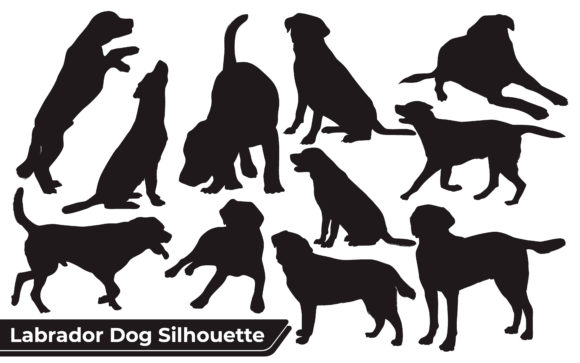
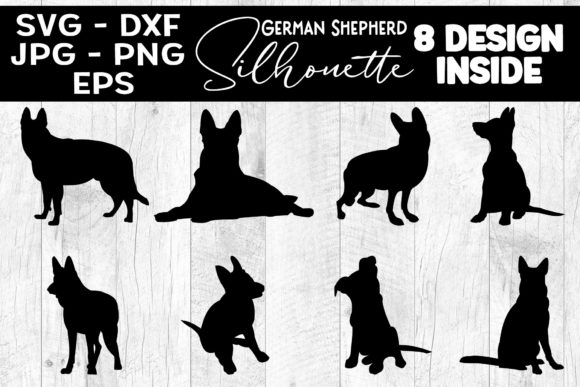
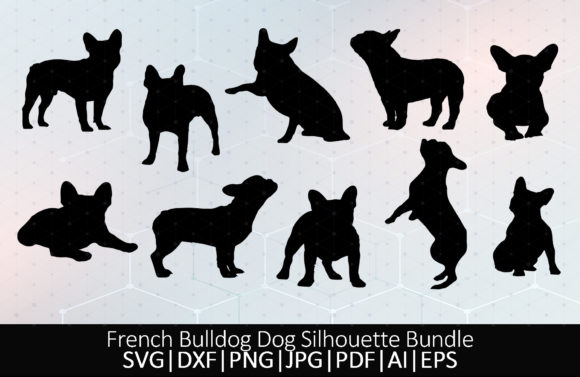
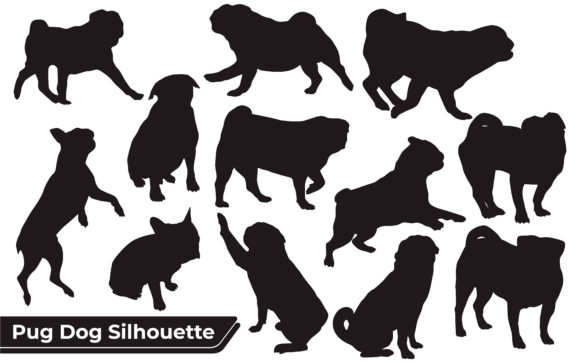
When I opened Collection of Animal Pug Dog Silhouettes, my first thought wasn’t “cute”—it was “confident.” These aren’t cartoonish or overly stylized pugs. They’re bold, black-and-white silhouettes with strong outlines, subtle posture variation (sitting, standing, head-tilted), and just enough anatomical honesty to feel authentic—not generic. As a designer who’s stitched hundreds of animal motifs on everything from baby onesies to boutique aprons, I immediately saw how this collection bridges charm and clarity. That balance is rare—and critical—when translating vector graphics into machine embroidery.
How It Performs on Real Embroidery Projects
I tested one silhouette—a seated pug facing left—on a medium-weight cotton tote bag using standard tear-away stabilizer and 40-weight polyester thread. The result? Crisp edges, no feathering, and zero stitch bleed into the fabric grain. That’s because the shapes avoid fine interior details (no nostrils, no eyelashes, no fur texture) that would collapse at small scales or demand excessive digitizing cleanup. This makes Collection of Animal Pug Dog Silhouettes ideal for:
- Custom apparel: Sweatshirts, crewnecks, and unisex tees—especially when you want bold, legible branding without overwhelming the garment.
- Personalized gifts: Baby blankets, nursery pillows, and embroidered tea towels where simplicity reads well at arm’s length—and holds up after repeated washing.
- Embroidered patches: The clean contours digitize cleanly into satin-stitched borders, and the solid fill areas translate reliably into dense fill stitch without puckering.
- Etsy and craft fair merchandise: Customers respond to recognizable, emotionally warm motifs like pugs—but they also notice professionalism. These silhouettes look intentional, not clip-art.
Where to Use It Thoughtfully (Not Just Everywhere)
Even strong designs have boundaries—and knowing them keeps your finished product trustworthy. With Collection of Animal Pug Dog Silhouettes, here’s where I pause:
- Small hoop sizes (under 3”): The seated and standing poses scale down well, but the “head-tilted” version loses nuance below 2.5”. Test it at your target size before committing to production.
- Stretchy or textured fabrics: Knits and terry cloth need extra stabilization. The design’s clean lines help, but don’t skip cut-away stabilizer on sweatshirts or baby rib knit.
- Dark fabric backgrounds: Since these are black silhouettes by default, white or light thread will pop—but always mock up in grayscale first. What looks balanced on screen can vanish on navy fleece.
- Curved surfaces like caps: The flat, front-facing poses work better than profile views. Avoid placing the tilted-head version across a cap’s crown seam—it distorts more easily.
What It Adds to Your Handmade Product—and What It Doesn’t
This collection elevates perceived value without adding complexity. A custom embroidered kitchen towel with one of these pugs feels curated—not mass-produced—because the silhouette has personality *and* restraint. Buyers notice that. They also trust it: no fuzzy edges, no stitching that snags, no “what is that supposed to be?” confusion. That builds repeat business for Etsy sellers and small shop owners.
But let’s be clear: Collection of Animal Pug Dog Silhouettes isn’t an all-in-one solution. It doesn’t include applique layers, color guides, or multi-step stitch sequences. It’s a foundational graphic—clean, versatile, and commercially flexible—meant to be adapted, not over-engineered. If you’re building a line of dog-themed nursery decor, use it as your anchor motif. Pair it with simple running-stitch borders or monogram initials. Don’t try to force it into dense floral frames—it’s strongest alone or with minimal supporting elements.
Practical Notes Every Embroidery Designer Should Check
Before stitching your first customer order or listing a new product, do these five things:
- Test on scrap fabric—same weight, same weave, same color as your final piece. Watch how the fill stitch settles on your chosen stabilizer.
- Review stitch density in your embroidery software. These are vector files (AI, EPS, SVG), so digitizing is required. Avoid overloading small areas; keep fill stitch spacing open enough for breathability on baby items.
- Confirm hoop compatibility. The largest silhouette fits comfortably in a 5x7 hoop—but verify dimensions in your native file before scaling.
- Inspect corners and curves at 200% zoom. Vector smoothness doesn’t guarantee stitch smoothness. Tiny kinks become visible in satin stitch.
- Check licensing. As a Graphics product in the Crafts category, its commercial use depends on the seller’s terms. If you’re selling finished embroidered goods, you’re likely covered—but reselling the digital files or bundling them into your own design pack requires explicit permission.
Final Thought: A Quietly Effective Design Asset
There’s a quiet confidence in Collection of Animal Pug Dog Silhouettes—the kind that comes from understanding both visual language and stitch behavior. It won’t shout from a crowded craft fair table, but it will hold attention. It won’t overwhelm a baby onesie, but it will make parents smile. And for designers juggling client deadlines, Etsy uploads, and small-batch production, it’s refreshingly straightforward: no revisions needed, no redraws, no second-guessing whether it’ll translate. Just clean, characterful, ready-to-digitize shape—designed for real work, not just pretty previews.